What to Expect During a Tree Removal Service
When a tree becomes hazardous, diseased, structurally unstable, or simply no longer suitable for its location, many homeowners turn to professional tree removal companies for help. Removing a tree is a complex process that requires skill, planning, and safety precautions to protect people, property, and surrounding landscapes. Understanding what happens during a tree removal service helps homeowners feel more prepared, reduces uncertainty, and ensures they can communicate effectively with the professionals they hire. Because every tree is different in terms of size, condition, and proximity to structures, the process may vary slightly from one project to another. However, most professional removals follow a series of well-planned steps designed to ensure safe and efficient completion. By knowing what to expect, homeowners can make informed decisions and gain confidence in the work being performed.
Beginning with an On-Site Evaluation and Safety Planning
Before the physical work begins, arborists or technicians conduct an on-site evaluation to assess the condition of the tree and determine the safest strategy for removal. This evaluation is essential because it helps identify structural weaknesses, potential hazards, and the equipment required for the project. During the assessment, professionals inspect the trunk, branches, canopy structure, and root system. They also look for signs of disease, decay, or pest damage that may affect stability.
The surrounding environment is another critical factor. Tree removal requires careful planning when the tree is near structures, fences, power lines, or landscaped areas. Professionals examine the proximity of the tree to buildings, driveways, gardens, and neighboring properties to minimize the risk of damage. If the tree is located in a confined area, specialized techniques—such as sectional dismantling—may be necessary to remove it safely.
As part of the planning process, the crew evaluates ground stability and determines safe zones for falling limbs and equipment placement. They establish a clear work perimeter and identify potential hazards such as loose soil, uneven terrain, or nearby obstacles. Safety planning may involve coordinating with utility companies if electrical lines or underground services are present.
At this stage, homeowners may receive a breakdown of the process, estimated timeframes, and expected outcomes. Professionals often explain what equipment will be used, whether cranes or lifts are required, and how debris will be managed. This initial evaluation sets the stage for a safe and well-organized tree removal project.
Preparing Equipment and Setting Up the Work Area
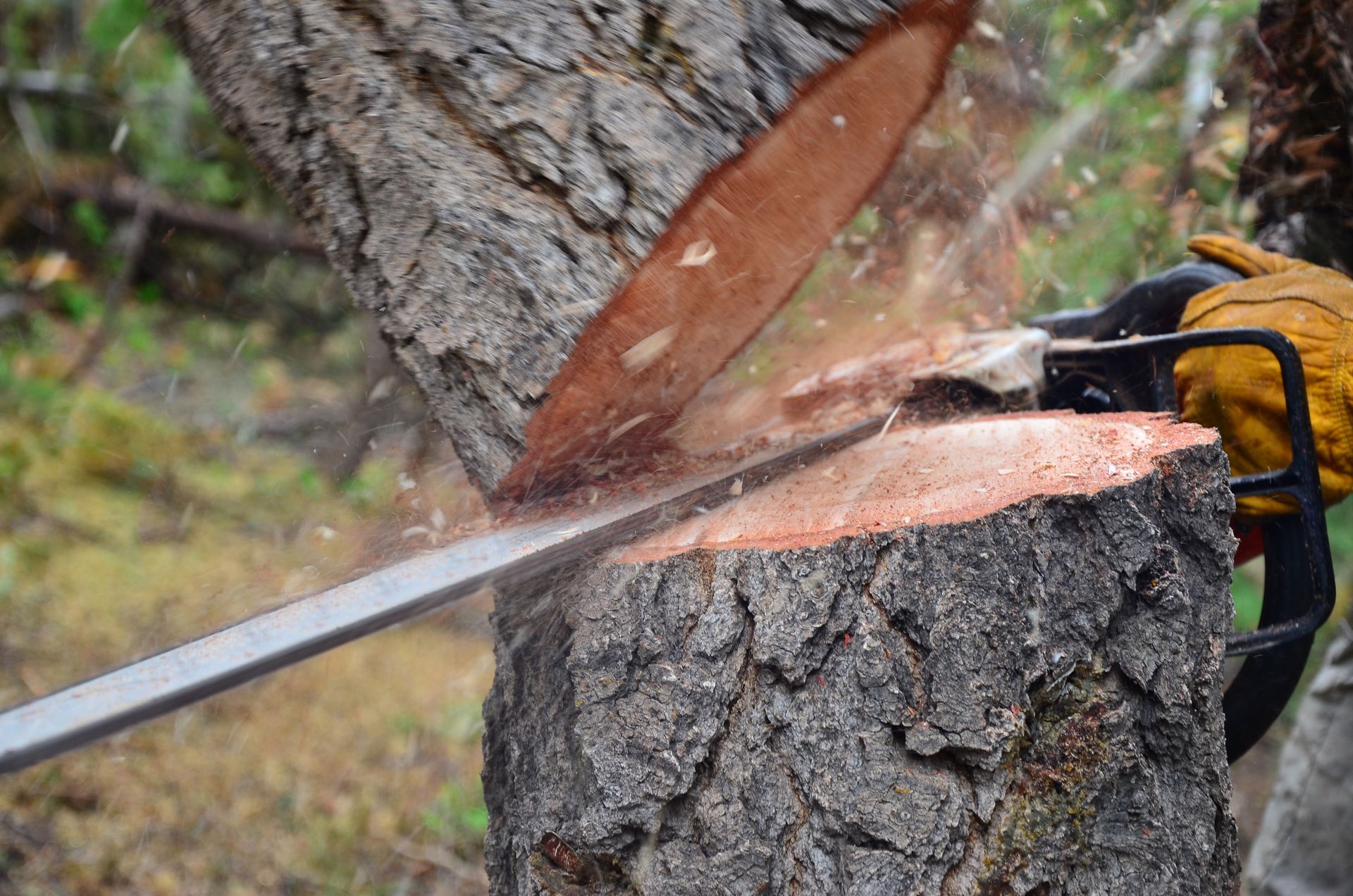
Once the evaluation is complete, the crew begins preparing the work area and gathering necessary equipment. Proper preparation ensures efficiency and prevents unnecessary delays during the tree removal process. Professionals often use chainsaws, rigging ropes, climbing gear, wood chippers, stump grinders, and protective equipment such as helmets and harnesses.
To maintain safety, the crew sets up cones, barriers, or caution tape around the designated work perimeter. This prevents pedestrians, pets, and vehicles from entering the danger zone. The setup may also include identifying fall paths for branches and pre-planning multiple escape routes for climbers working in the tree.
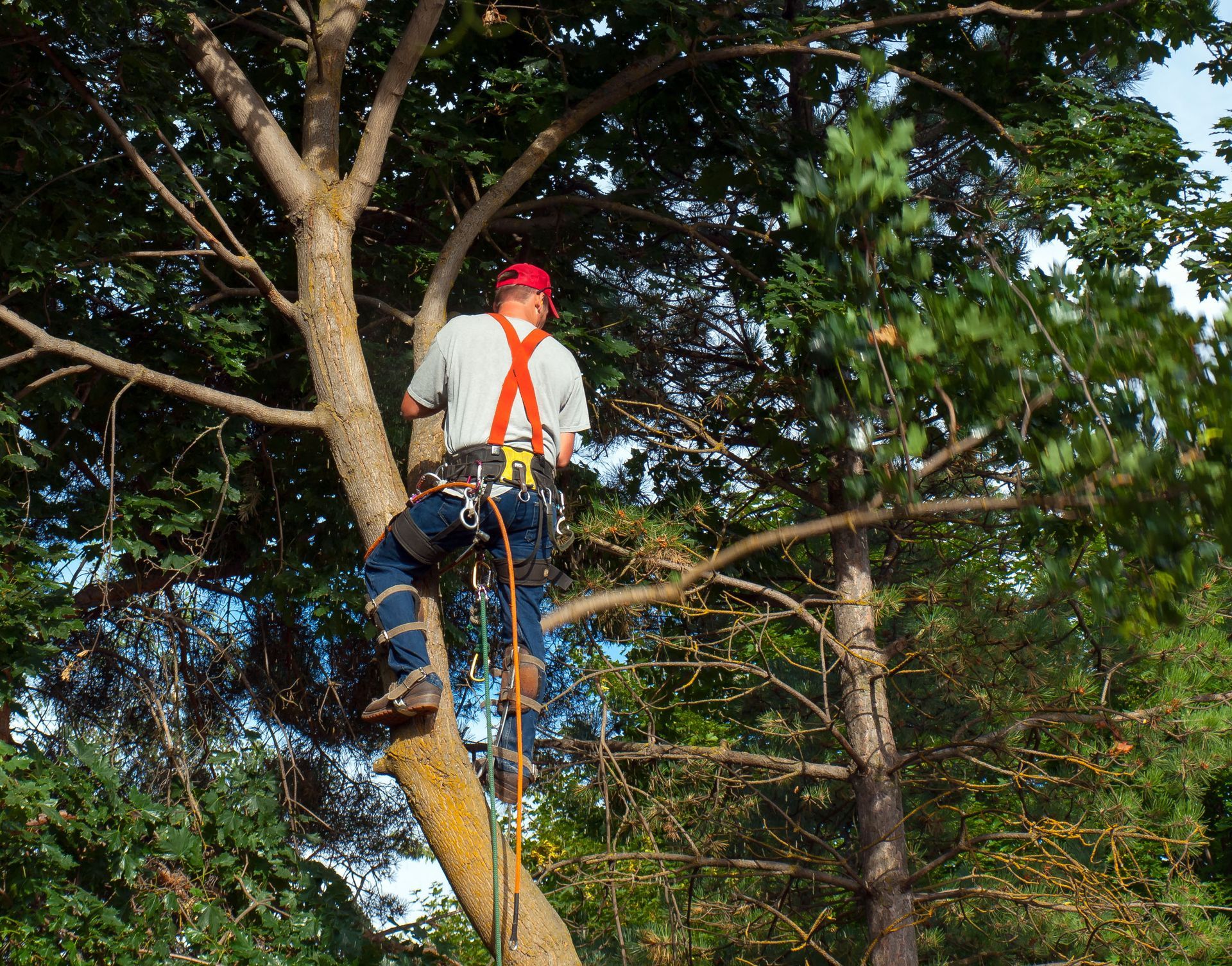
If the tree is particularly tall or located in a restricted area, specialized machinery such as aerial lifts or cranes may be brought in. These machines allow workers to access high branches without compromising safety. In other cases, experienced climbers use harnesses and ropes to scale the tree and perform sectional cuts.
Preparation also includes organizing debris containment. Professionals often position wood chippers or trucks nearby to efficiently transport branches and trunk sections. Establishing a clear workflow helps ensure that the removal proceeds smoothly and that debris does not accumulate in the work area.
Executing the Tree Removal with Precision and Technique
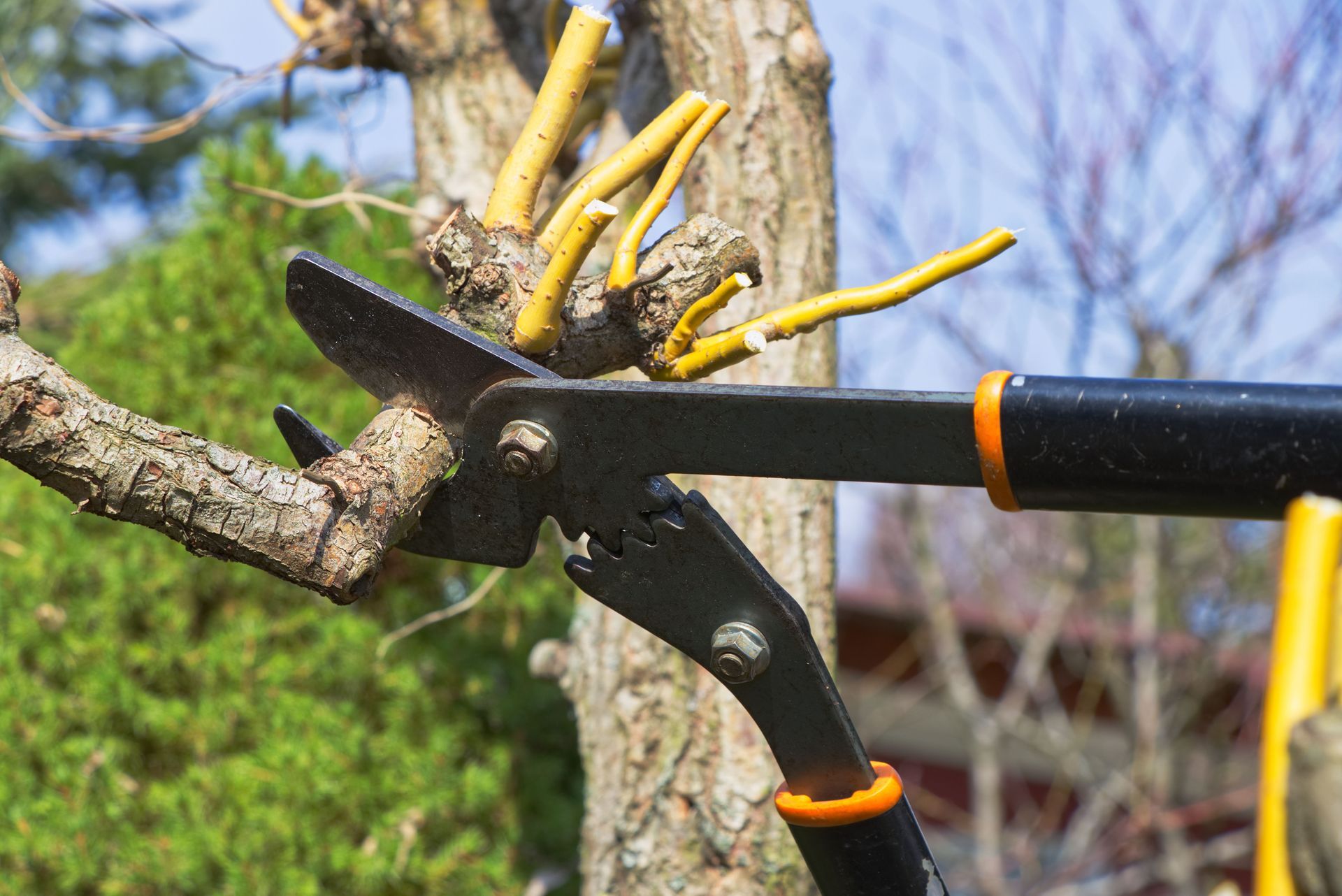
The actual removal is a carefully executed process that depends on the tree’s size, health, and location. In most cases, the crew begins by removing smaller branches to reduce weight and improve accessibility. Climbing arborists or professionals using lifts cut branches systematically, ensuring they fall in designated areas where they can be safely collected.
As the removal continues, larger limbs are gradually taken down using rigging techniques. When branches cannot fall freely due to nearby structures, ropes and pulleys are used to lower them to the ground in a controlled manner. This prevents property damage and allows for safer handling by the crew.
Once the upper canopy is cleared, the focus shifts to the trunk. Depending on the height and diameter of the tree, the trunk may be cut into manageable sections. Workers typically start from the top section and work downward, ensuring that each cut follows a plan that maintains balance and structural stability. Precision is essential during this phase, especially when dealing with diseased or decayed trees that may have compromised internal strength.
If space allows, some tree removal projects involve felling the entire tree in a single cut. This method is more common in open areas with minimal obstacles, such as large rural properties. Even in these cases, careful positioning and directional cutting ensure that the tree falls safely and predictably.
Tree removal duration varies depending on the tree's size and complexity. According to Lawn Love, taking down a small tree typically requires one to two hours, while removing a large one usually takes three to four hours. This timeline helps homeowners better understand what to expect and highlights the level of expertise required to perform the job efficiently.
Managing Debris, Stump Removal, and Site Cleanup
After the tree removal is complete, the crew turns its attention to managing debris and preparing the site for final cleanup. Branches, twigs, and trunk sections are collected and processed using wood chippers to reduce bulk. Larger logs may be cut into pieces for disposal, splitting, or repurposing, depending on the homeowner's preferences and local regulations.
Many tree removal services offer stump grinding as an additional option. Grinding reduces the remaining stump to wood chips, which helps prevent future regrowth and eliminates tripping hazards. Stump grinding also improves the appearance of the landscape and prepares the area for new plantings or landscaping features. If homeowners prefer to keep the stump for aesthetic or practical purposes, professionals can leave it intact.
The cleanup process includes removing sawdust, wood chips, and any debris generated during the removal. A thorough cleanup ensures that the yard is safe and visually restored. Some companies provide additional services such as filling the stump cavity with soil, applying grass seed, or offering landscaping recommendations for the newly cleared space.
Proper disposal of materials is also important. Many providers follow environmentally responsible practices by recycling wood materials, repurposing logs, or contributing mulch to community landscaping programs. Homeowners may appreciate knowing that their tree removal contributed to sustainable waste management.
Reviewing Post-Removal Considerations and Long-Term Landscape Health
Once the immediate work is completed, homeowners may have additional considerations related to the long-term health and appearance of their landscape. A professional team often guides how to care for the area where the tree once stood. If the removal was due to disease, pests, or root issues, the crew may recommend soil treatment or preventative measures to protect other trees nearby.
Tree removal may also affect sun exposure, drainage patterns, or shade distribution in the yard. Professionals can help homeowners understand how these changes might impact surrounding vegetation. They may offer suggestions for new plantings, tree replacements, or adjustments to irrigation systems.
Homeowners may also evaluate whether additional trees need inspection. The presence of one failing tree can indicate broader environmental issues or shared root problems among nearby trees. Routine health assessments conducted by trained arborists help ensure that other trees remain stable, safe, and healthy. Call True 'N' Fair Tree Care LLC today to schedule your tree care or removal service.
Share On: